The Japanese language offers a wealth of words and expressions that can be difficult for non-native speakers to grasp. Here are a few examples that reflect the sense of aesthetics and sensitivity to fleeting things characteristic of Japanese culture.
 Tsundoku (積ん読)
A word that describes this compulsive habit of buying books that one will not have time to read and which will therefore just pile up in the library.
Mono no aware (物の哀れ)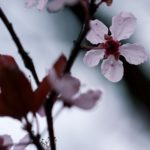
This expression evokes the gentle sadness one feels when becoming aware of the fleeting nature of life. It applies, for example, to the cherry blossom season, which the Japanese cherish all the more because it is so short-lived. It's a sensitivity to the ephemeral, in a way.
 Irusu (居留守)
It is characterized by being as discreet as possible and pretending not to be home when someone rings the doorbell.
Komorebi (木漏れ日)
A word referring to sunlight filtering through tree leaves. The Japanese attention to the smallest beauties of nature is beautifully expressed here!
Kawaakari (川明かり)
A word that applies to the particular reflections that water can take on at dusk or once night has fallen, for example the shimmering of the moon on the surface of a lake or river.
 Natsukashii (懐かしい)
An adjective used when the past suddenly resurfaces, via an object, a memory, a melody… But be careful, no sorrow is felt: what is 懐かしい makes one nostalgic, but without regret, rather with happiness.
 Kyōiku mama (教育ママ)
This refers to a mother who exerts excessive pressure and control over her children regarding their studies and career choices. Clearly pejorative.
 Shoganai (仕様が無い / しょうが無い)
It refers to a whole philosophy of existence, based on the importance of acceptance: the Japanese use it to lift the spirits of someone going through a difficult time by letting them know that sometimes, negative things happen beyond our control. 仕様が無い (nǐ sīnǐ sīnā) is therefore a kind of encouragement to detachment.
 Boketo (ぼけっと)
A name that expresses the act of looking distractedly into the distance, a sign that one is physically present, but mentally absent.
 Arigata meiwaku (ありがた迷惑)
It refers to help offered by someone without being asked. An initiative that can prove entirely counterproductive, yet for which one still feels compelled to express gratitude. In short, it's a well-intentioned… but unwelcome one!
Koi no yokan (恋の予感)
A kind of romantic premonition. All those exhilarating sensations you feel when you first meet someone you know you're bound to fall for. Not quite love at first sight, but already the beginnings of passion.
 Tatemae (建前)
A fundamental concept in Japanese culture, which could be translated as "facade". Tatemae, This refers to what we reveal about ourselves in society, the opinions and feelings we dare to express in public. This consensual position, generally adopted to avoid making waves or offending someone, cannot therefore always correspond to what we truly think or desire, which is reflected in... honne. Appearance versus reality, in a way.
Source : https://www.geo.fr