Showa no hi (昭和の日) is a public holiday in Japan and marks the beginning of Japanese Golden Week. It commemorates the Hirohito's birthday (裕仁), Emperor of Japan during the Showa era (昭和But why is this emperor in particular celebrated?
Hirohito, the’Emperor Showa
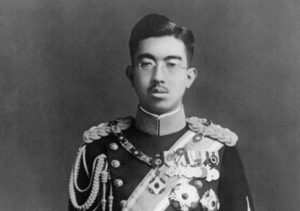 Hirohito (裕仁) was the 124thth Japanese emperor. His reign began on and lasted until his death, the This is the longest reign in Japanese history (62 years and 13 days).
The death of Emperor Meiji Hirohito was made heir to the throne; he would be formally invested with the title of Crown Prince on . In 1921, He embarked on a six-month journey to Europe, the first such trip by a Japanese prince. Upon his return, following his father's health problems, Hirohito became regent of Japan. and thus becomes familiar with his future role. Upon the death of his father, Emperor Taishō, the , Hirohito succeeded him and a new era was immediately proclaimed: this was the beginning of the Showa era (昭和, radiant peace).
Its place in the history of Japan
Emperor Showa (his posthumous regnal name) was one of the major figures of World War II. He was also the last emperor to reign before Japan's abdication. Following Japan's surrender, the Americans decided to symbolically maintain Hirohito as head of the empire: he thus remained emperor for nearly 45 years after the end of the conflict.
Showa no hi (昭和の日) and Midori no hi (みどりの日)
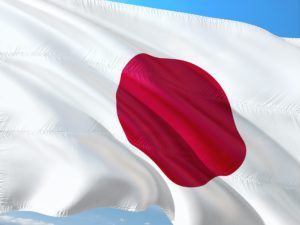 Today, Showa no hi (昭和の日) is considered a day of remembrance for past events that have shaped Japanese history: the Second Sino-Japanese War, World War II, several attempted coups, the first foreign occupation, and also the Japanese economic miracle. This day is intended to promote peace and unity in light of the events of the previous century.
In Japan, the national holiday, also called Emperor's Birthday (天皇誕生日, Tennō tanjōbi), is celebrated on the birthday of the reigning emperor. Its date therefore changes with the accession of each new emperor. Thus, between 1989 and 2007, the Japanese celebrated Midori no hi (みどりの日, "Green Day") on April 29th, because Emperor Showa was very fond of nature. Due to legal regulations, in 2007, this holiday was moved to May 4th and April 29th became Showa no hi (昭和の日), the day commemorating the memory of Emperor Showa.