
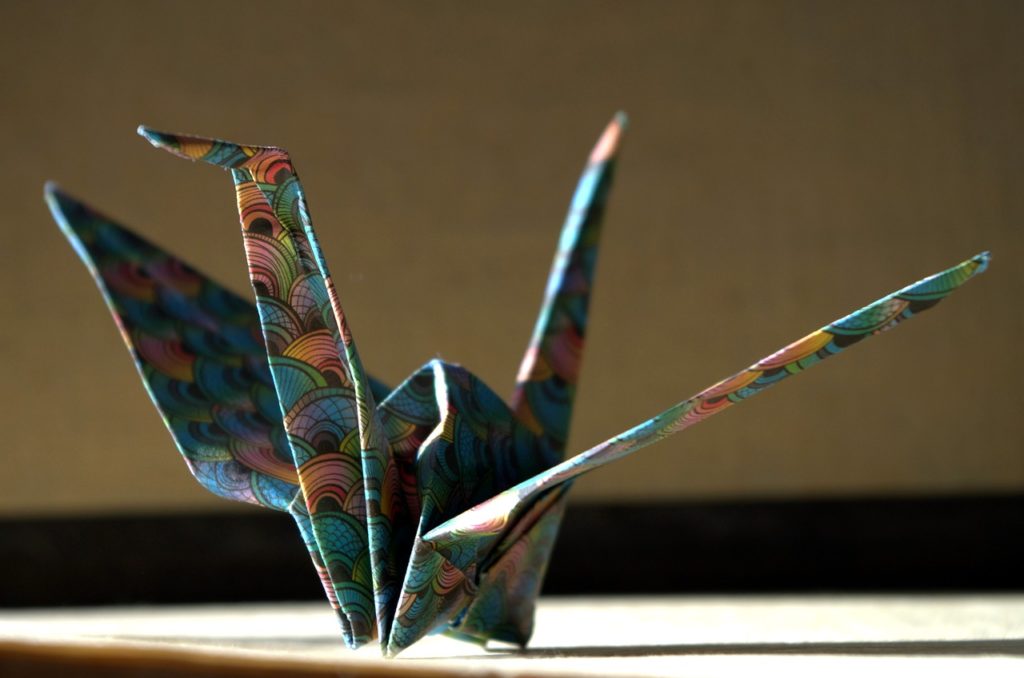
Among the most famous Japanese arts is origami (from oru 折る). folding, and kami (紙, paper) is at the top of the list. Both refined and accessible to all, this age-old art appeals to young and old alike.
A Brief History of Origami
The origins of origami remain unclear. This art is believed to date back to the Western Han dynasty in China; indeed, paper was invented in the Middle Kingdom at the beginning of the 2nd century.th century. It is believed to have been brought to Japan by Buddhist monks via Koguryŏ (a region encompassing present-day Korea). Long considered a precious material, paper was only accessible to the wealthy. The art of origami then developed rapidly around 1200 within Buddhist rituals. Later, the art of cutting and creating origami flowers, used as tokens of friendship, is thought to have developed within the art of the bushi (armored horsemen responsible for protecting family clans).
Over time, and as Japanese society evolved, the practice of origami became more widespread, to the point of being taught in schools!
The Story of Sadako Sasaki (佐々木禎子)
Origami certainly has an artistic and decorative dimension. But it also carries a very strong symbolic dimension, as the story of Sadako Sasaki shows.
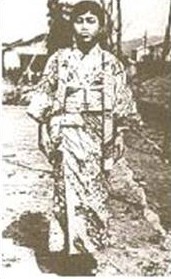 This little girl, a victim of the radiation from the atomic bomb in Hiroshima, believed in the legend of the thousand cranes. This legend says that if you fold a thousand paper cranes in a year, tied together with a string, your wish for health, longevity, love, or happiness will be granted. For the wish, luck, or health to come true, you must make the garland for a specific person and say a prayer for each completed crane. The legend also says that the fewer people who make the garland, the stronger the wish will be, because it will have required much more patience and perseverance…
Little Sadako Sasaki began making origami cranes in the hope of finding a cure. When she learned that her illness was incurable, she changed her wish to world peace. Sadako passed away before completing her goal: she had made 644 of the 1,000 cranes. Her classmates finished her work, and Sadako was buried with a thousand origami cranes.
Since then, the crane has symbolized peace. If you visit Hiroshima, we recommend visiting the Orizuru tower where you can learn how to make an origami crane (orizuru 折鶴 in Japanese), but also the statue of little Sadako in Hiroshima Peace Memorial Park.
Continue reading!
- Discover the origami tutorial from the MCJP and train!