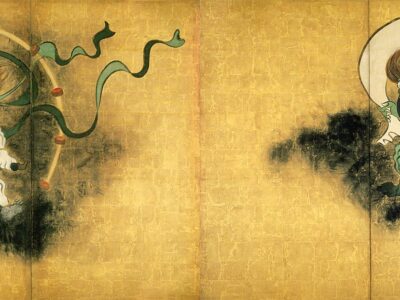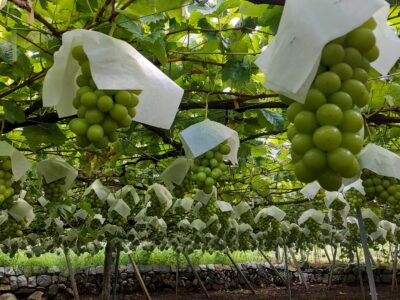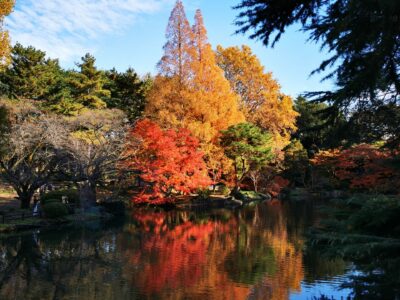
The Japanese people have a special relationship with nature. While modernization and advanced technologies continue to advance, the Japanese still rhythm their festivals with the seasons and nature. Proof of this is that in Japan, the spring equinox (Shunbun no hi, 春分の日) is an official holiday!
Shunbun no hi (春分の日), the day of the spring equinox
Due to astronomical changes, the date of the public holiday can vary from year to year. It is usually between March 19th and 22nd. Thus, since 1948, the Japanese have celebrated the arrival of spring when day and night are of equal length.
Shunbun no hi (春分の日) became a public holiday in 1948. Before that, the date of Shun-ki (Vernal) was a Shinto event (just like the festivals of Kōreisai and Shūki). These were secularized in an effort to separate religion and state in Japan's postwar constitution.
This celebration is even part of the continuation of the festivals that the Japanese call Haru no higan (春の彼岸), that is, the spring equinox week.
What traditions?
During Shunbun no hi (春分の日), it is customary to visit the graves of one's ancestors. In this sense, it is quite similar to the Obon festival, where the family tomb is cleaned and covered with offerings to honor the memory of the deceased. The difference with Obon is that Shunbun no hi (春分の日) is also an agricultural festival. Indeed, farmers pray and express their gratitude to thank nature for its bounty.
A Japanese proverb sums up this idea very well: "shizen wo tatae, shorai no tame ni doryoku suru hi (自然を称え、将来のために努力する日)", which means "on this day, one should be grateful to nature and redouble one's efforts for the future".
Shunbun no hi (春分の日) today
Today, the spring equinox is a national holiday, and most Japanese people will have the day off to celebrate with their families. Many will return home to spend the day with their loved ones. The day is celebrated to welcome spring and to appreciate nature blossoming after a long winter. Some people will still visit the graves of their loved ones, sweeping the headstones to remove debris and often leaving offerings of food or fresh-cut flowers. The holiday is also special for farmers and agricultural workers. It is a day to pray for good fortune and luck with the harvests they will cultivate in the coming season.
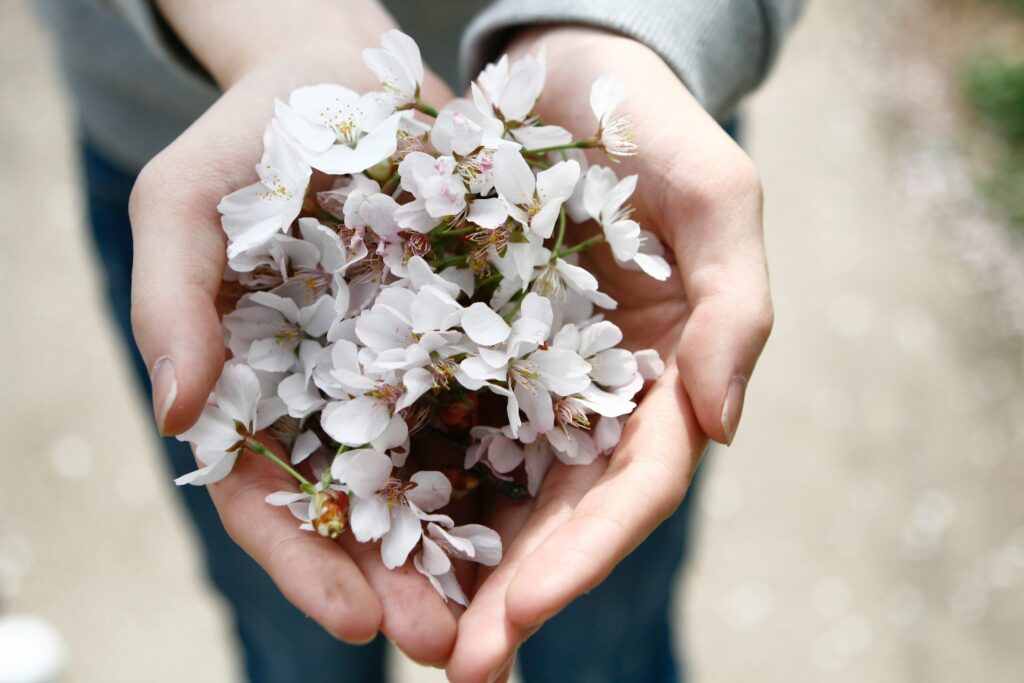
Shunbun no hi (春分の日) also marks the imminent cherry blossom season in the archipelago. A breath of spring is blowing across Japan!