
From the color of gift wrap to unspoken words, from the choice of flowers to social behavior: discover some Japanese taboos and avoid faux pas!
Floral taboos
Although the lotus is the most revered flower in Buddhism, it is also associated with death. Indeed, lotus flowers are present at funerals and in cemeteries.
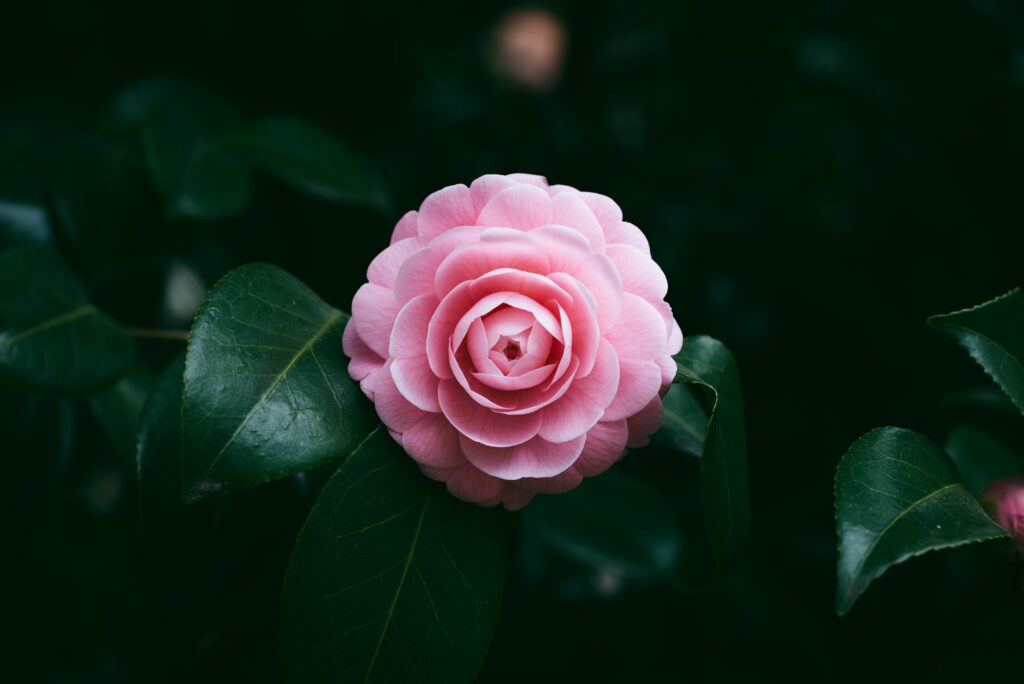
Similarly, one should never visit a hospitalized person with camellias, pale yellow flowers, or white flowers, as these represent mourning. Camellias have been very popular in Japan since the Edo period. While freshly bloomed red camellias evoke love, they can also symbolize "a noble death" because of the way their heads droop once they wither.
Finally, while the chrysanthemum is considered the noblest of flowers, the Japanese may be reluctant to accept gifts featuring it. This is because it is a symbol of the Japanese imperial family and the emperor.,
Numbered taboos
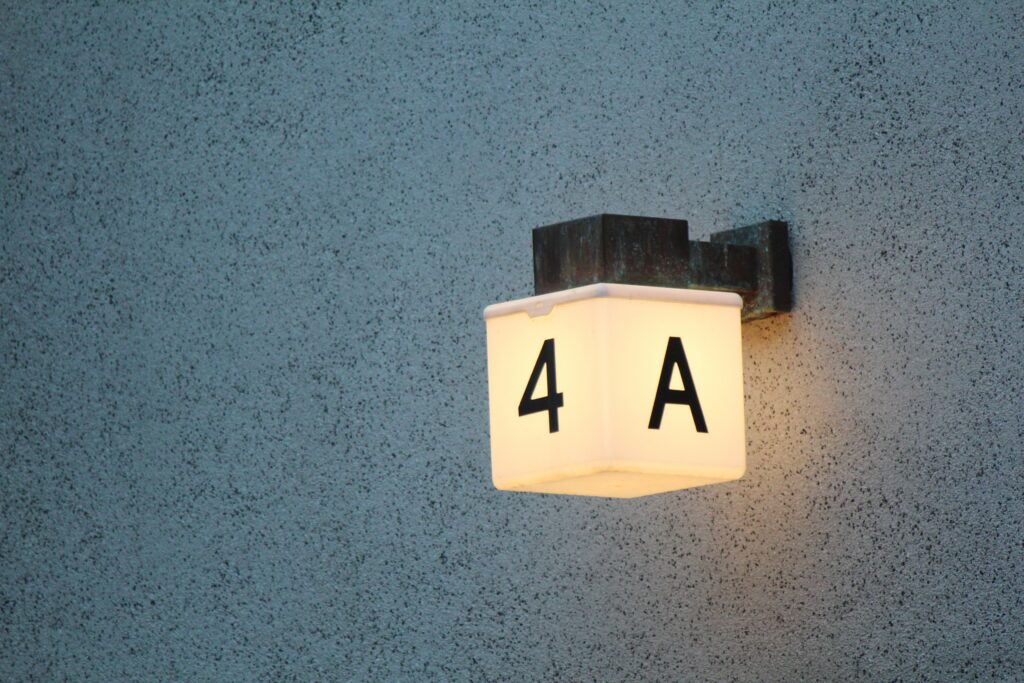
There are many "oral taboos" in Japanese, such as the word "death" (死, shi )». Some homophones are also taboo, such as the pronunciation of the word «4» (四, shi), which is pronounced the same as death, or the pronunciation of «42» (四十二, (which can be pronounced shi ni), a homophone of the verb "to die." The number "49" is also considered unlucky because it reminds the Japanese of the phrase "To suffer until death."死ぬまで苦しむ。」, «"« Shinude made kurushimu. »This is why most hospitals, buildings, and parking lots do not have rooms numbered 4 or 42. The same applies to telephone numbers and even prison cell numbers!
Due to Western influences, the number "13" has also become taboo. Many hotels do not have rooms marked "13" or "13", and Haneda Airport in Tokyo does not have a runway named #13!
Bonus! Did you know that the phobia of the number 4 is called tetraphobia? The phobia of the number 13, meanwhile, has the rather charming name of triskaidekaphobia.
Good manners

Japanese society highly values discipline and respect. As such, behavior is governed by fairly rigid norms. For example, in formal social situations, both men and women must wear suits and dresses (Japanese women often wear the traditional kimono). Furthermore, one should never speak loudly. When giving or receiving a gift, a business card, etc., use both hands; it is impolite to use only one. Eating or drinking while walking or on the subway is considered very offensive. And avoid pointing at someone with your chopsticks (or your finger)—it's a threatening gesture!
Postal codes…

In Japan, the folding of letters and the labeling of stamps are also subject to specific rules. Avoid using double-layered envelopes, which are considered a curse, when sending a letter of condolence. Writing to your loved one? Be careful not to reverse the stamps affixed to the envelope, lest you signal to the recipient that you wish to stop discussing romantic matters.
Negotiation rules

During negotiations, the Japanese sometimes use their thumb and forefinger to form an "O". Nodding your head will lead the other party to believe you've accepted an agreement. Scratching your scalp, however, is a sign of frustration or dissatisfaction – quite different from our French "mmm… I'm thinking!"
Financial taboos
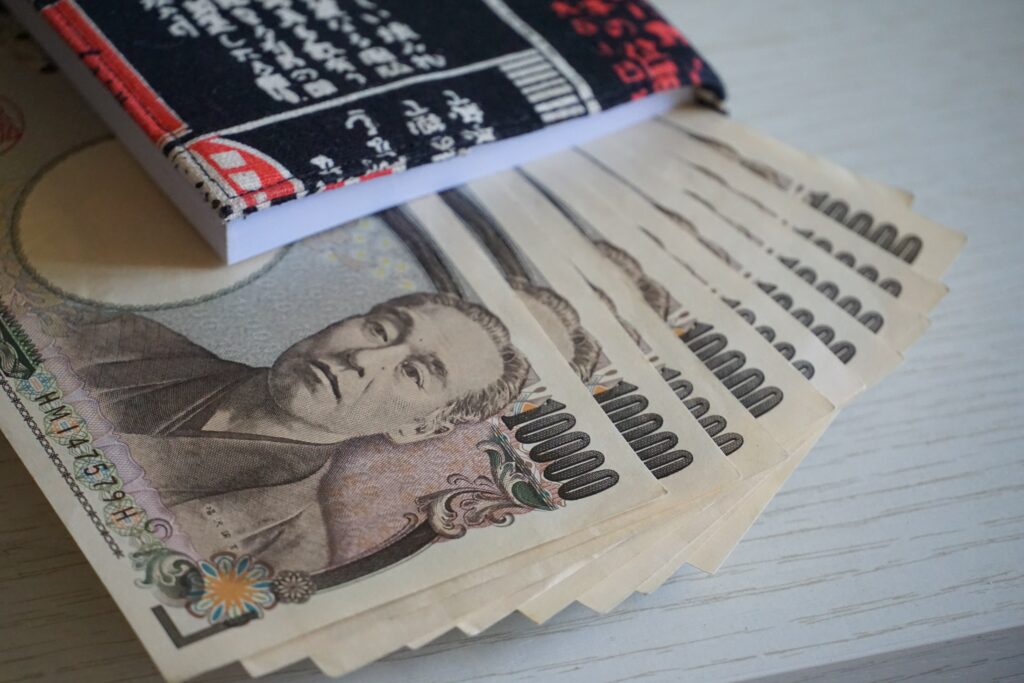
The Japanese avoid sending 20,000 yen and/or multiples of 2 as gifts to a couple. This is because the number 2 is believed to be likely to cause a breakup.
Therefore, people usually give 30,000, 50,000 or 70,000 yen.
Colorful Taboos
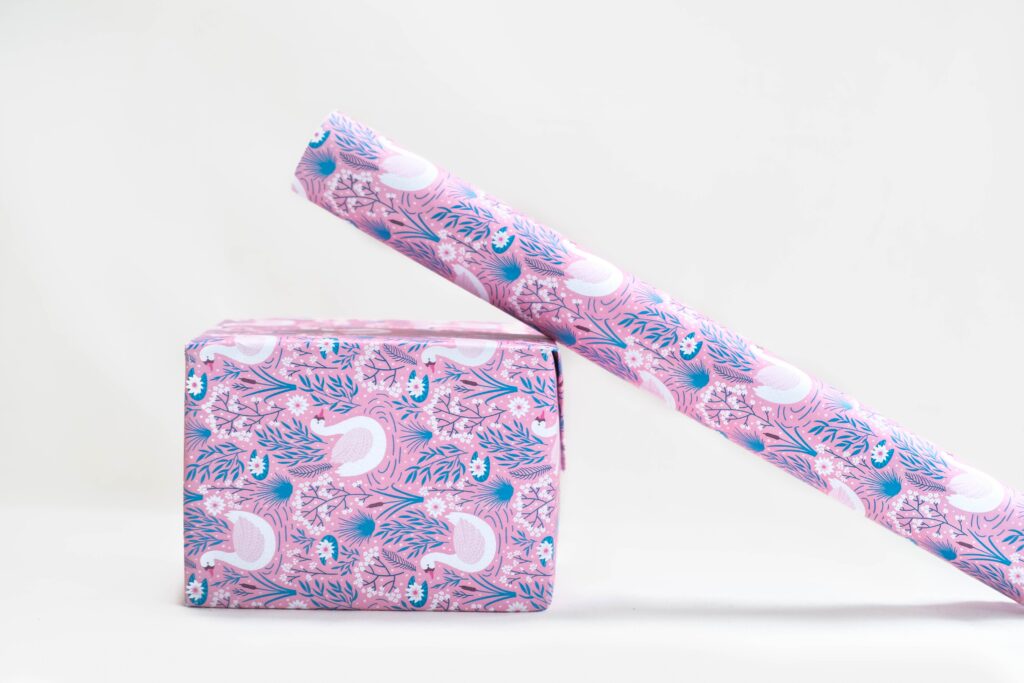
The color of the gift wrapping paper is very important. Never wrap a gift in black or white, as these colors represent funerals.
Opt instead for the tried and tested options that you can find in stores!