
Japanese cuisine is varied and refined. While everyone knows sushi, ramen, and gyoza, there are dozens of dishes and ingredients that are little known (or even unknown!) in the West. Here's a look at five surprising foods eaten in Japan – which one will you dare to try first?
Among the essential foods : the mentaiko ((明太子)
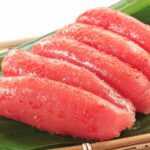
Mentaiko is the roe of the Alaska pollock, that is, the egg sac of this fish. Originally from Korea, this dish was adapted to Japanese cuisine after World War II. Today, it is one of the essential side dishes in Japanese cooking. Marinated in various seasonings and spices, it comes in countless flavors. It is mainly used to accompany rice, pasta, or various snacks such as onigiri.
The controversial food: the kujira (鯨)

Kujira is the Japanese word for whale. Eating whale meat might seem controversial these days, and yet! In Japan, it has been consumed for centuries. Whale meat is indeed extremely rich in protein. It was therefore very useful after World War II for feeding the Japanese population. Fortunately, whale consumption is steadily declining and is now the exception rather than the rule. Nevertheless, if you are curious, it is easy to find restaurants serving whale meat in Tokyo.
Healthy food: the basashi (馬刺し)
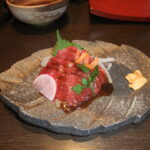
Basashi refers to horse meat used in sashimi. In France, horse meat is eaten cooked (steak, sausage, and other charcuterie), but it is never eaten raw. In Japan, however, it has been consumed as sashimi for centuries. Its consumption dates back to the 16th century.th In the 19th century, when the defeat of the invasion in Korea left the army short of supplies, the idea of eating horsemeat arose. The dish was so popular that it gradually became a staple of Japanese cuisine. Horsemeat was a great success, particularly among women, because it is low in calories and rich in protein.
The most dangerous: Fugu (河豚/鰒/鮐/魨/鯸/鯺)
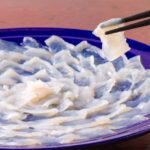
Pufferfish is considered a delicacy. Fish in the archipelago? How unusual, you might think… What makes this fish so special? It's…its danger! Indeed, the toxins contained in the skin, liver, and intestines of the fugu are deadly to humans. For this reason, only chefs with a state license are authorized to prepare fugu. It is enjoyed in various ways (sashimi, soup, etc.). It's not difficult to find restaurants serving it in Tokyo. However, we advise you to inquire about prices beforehand, as they can be exorbitant!
Among plant-based foods: the goya (ゴーヤ)
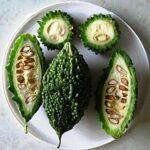
Goya (any resemblance to the singer of the same name is purely coincidental!) is a vegetable in the gourd family. In Japan, only the skin of this vegetable is eaten, and its taste is extremely bitter. This doesn't stop goya from being THE specialty of Okinawa. As a side dish, in drinks, in cakes, goya is used in countless ways. Local legend even attributes the astonishing longevity of Okinawans to this vegetable…