Did you know that emojis were Japanese? The word emoji itself is Japanese: "e" 絵 / え meaning picture and "moji" 文字 / もじ meaning character.
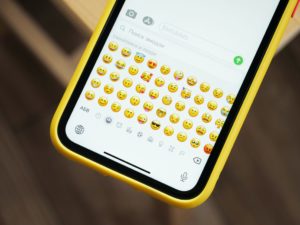 The emojis we use today are said to have come from a set created in 1999 by Docomo. The goal was to find a simple method to express feelings concisely. The first emojis developed therefore represented a variety of emotions inspired by the creator's childhood, as well as by the manga he had read.
The link between Japan and the history of emojis explains why we find a large number of pictograms related to Japanese culture. Some emojis are easily recognizable: sushi 🍣, Mount Fuji 🗻, the torii gate ⛩, the kimono 👘, Tokyo Tower 🗼, or even the Japanese flags 🇯🇵 🎌.
But are you familiar with the (dozens of) other emojis that reference the archipelago? A look at Japanese emojis!
-
Foodie emojis: awaken your taste buds!
🍡 Dango (mochi-based dumpling)
🍥 Narutomaki 鳴門巻き (steamed fish cake)
🍘 Senbei 煎餅 (glutinous rice cake)
🍢 Oden (Japanese hot pot)
🍙 Onigiri (rice ball often wrapped in nori seaweed)
🍲 Nabe 鍋 (dashi broth fondue 出汁)
🍜 Ramen ラーメン (wheat noodles)
🍛 Curry カレー
🍧 Kakigori (shredded ice dessert)
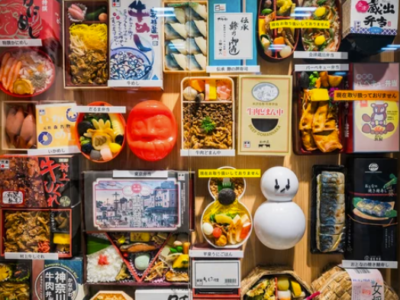
🍱 Bento (Japanese meal tray)
🍵 Cup of matcha 抹茶 (green tea)
🍶 Sake bottle and cup
-
Traditional emojis: immerse yourself in Japanese culture!
🎐 Wind chime (traditional decorative object)
🎏 Wind socks in the shape of colorful carp (hoisted on Children's Day, May 5th)
🎎 Traditional dolls (displayed during the Girls' Day celebration on March 3rd)
🏯 Japanese Castle
🏣 Japanese Post Office
🔰 Symbol affixed to cars for "apprentices"«
👹 Ogre (traditional theatrical mask representing a character from Japanese folklore)
👺 Demon (legendary creatures considered to be Shinto gods or ghosts)
♨ Onsen (hot springs)
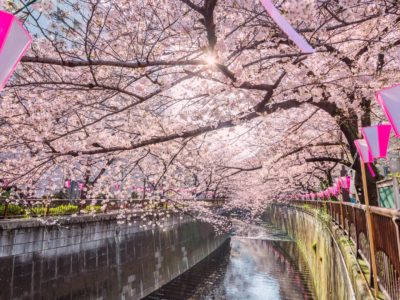
🌸 Sakura (cherry blossom)
🎋 Wishing tree (reference to the Tanabata Matsuri)
🙆♀️ OK, all right (arms in a circle above the head)
🙇 Sorry, I apologize (polite gesture)
💮 Good schoolwork (flower drawn on papers by teachers when answers are correct)
-
Emoji ideograms: practice your Japanese!
🉐 «advantage»
🈴 «validation» (of a product, for example) / «success» (of an exam)
🈹 «discount»
🈲 «prohibition»
🈵 «complete» / 🈳 «"free"»
🈶 "paid" / 🈚 "free"«
🈸 «registration»
🈺 "open" (for a store, a business)
🉑 «accept»
"secret"«
Congratulations!«
🈷 "monthly"«
🈂 «service»
🈁 «here»