The year 2021 is drawing to a close and, as is tradition, the Japanese have voted to choose the kanji they consider most relevant to symbolize the past year.
Since 1995, the association The Japan Kanji Aptitude Testing Foundation organizes a public vote to vote for the kanji of the year (今年の漢字, ことし の かんじThe ideogram that best represents the year in Japan is unveiled during a ceremony held at Kiyomizu-dera Temple in Kyoto on December 12 (Kanji Day). The temple's abbot, Mori Seihan (aged 81), appears to calligraph the winning character onto a sheet of paper 1.5 meters high by 1.3 meters wide.
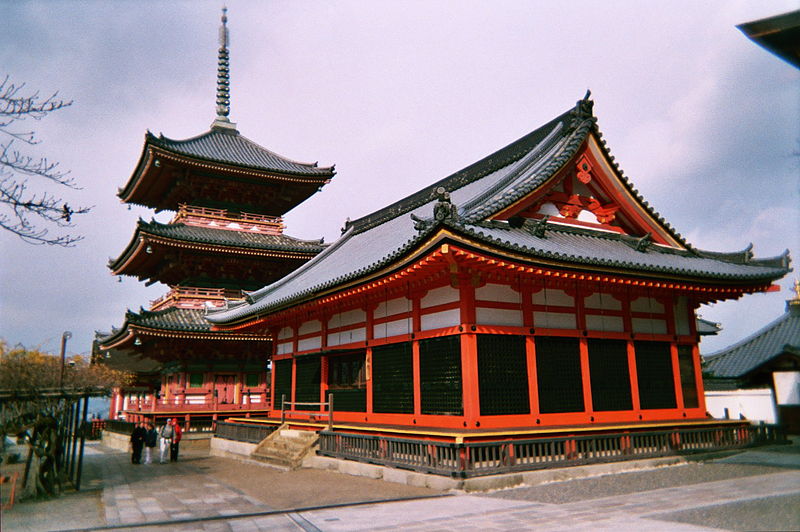
Christopher MannMcKay at English Wikipedia, CC BY-SA 3.0 via Wikimedia Commons
2021 is therefore a year of… gold, according to the voters! Indeed, the ideogram 金 (kin), meaning gold, won 10,422 votes (out of a total of 223,773), just 118 votes behind the second kanji, 輪 (rin / wa), which means ring (Olympic…). But why the kanji 金?
A sporting tribute
It's easy to guess that this choice alludes to the Olympics. Japan has particularly shone at the Olympic and Paralympic Games, winning a record number of medals: 58 medals, including 27 gold, at the Olympics, and 51 medals, including 13 gold, at the Paralympics. The archipelago also finished third in the final medal standings at the Olympic Games, behind the United States and China.
An economic and financial reference
金 can also be read as kane, meaning money, in the sense of currency. This kanji is therefore also linked to the financial difficulties faced by many people and to the subsidies paid by the government to combat the consequences of the pandemic.
Finally, this kanji also highlights the arrival in Japan of a brand new 500 yen coin. While the visual differences are fairly minor (a composition with more nickel and less zinc, and a new border), it's a small event in the financial world.
This year 2021 is therefore marked by this ambivalence between, on the one hand, the pride of this golden prestige and economic concerns.