
This Thursday, February 9th, marks the anniversary of the passing of an iconic figure in Japanese culture. In this blog, we will present Osamu Tezuka, also known by his pseudonym Osamu Mushi, considered the "father of manga" due to his considerable impact on the comic book industry and the popularization of Japanese culture as a whole.
Childhood and inspiration
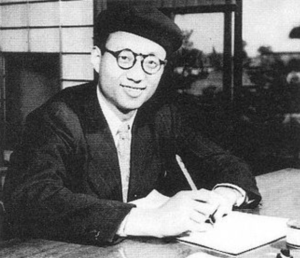
Osamu Tezuka was born in 1928 in Toyonaka, Osaka Prefecture, and began drawing at a very young age, copying everything he could find. Coming from a relatively well-to-do family, he discovered animation through the works of Walt Disney, which profoundly influenced Tezuka's style. Disney characters are characterized by exaggerated, childlike expressions and round, expressive eyes—features found in many of his works, starting with the famous Astro Boy. Thus, he also became known as the Japanese Walt Disney.
An immediate success
Still not of legal age, Tezuka published his first manga professionally at the age of 17 in the Shōkokumin Shimbun, where he had obtained a position as an editor. He quickly attracted attention with his talent for drawing and his distinctive style with the comic strip "Mā-chan's Diary" and, in the same year, the publication of Shin Takarajima, a national phenomenon in postwar Japan, selling over 400,000 copies.
In addition to his career as a manga artist, Tezuka studied medicine at Osaka University. This experience profoundly influenced him, and he drew upon it for the creation of the manga Black Jack, featuring a shadowy surgeon. His medical knowledge thus served him well in addressing social and political themes in his comics. He was also a human rights activist and explored themes such as discrimination, war, and the impact of technology on society in his works.
Tezuka was also at the forefront of spreading manga culture outside of Japan, translating his works into several languages and exporting them worldwide. His impact on the manga industry was immense and inspired numerous artists and illustrators around the globe, despite some disdain and mistrust of this new genre, particularly in the United States, where Disney's dominance hindered the distribution of Japanese works until the late 1980s.
Main works
Astro Boy:
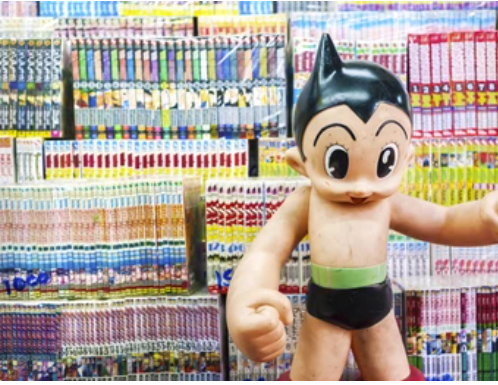
Astro Boy is a robot created to resemble a child and endowed with superhuman abilities. After being rejected by his creator, Astro joins a public protection agency and uses his abilities to protect citizens and fight crime and other threats.
The manga is considered one of the first science fiction manga and has had a considerable influence on the development of the genre. It is distinguished by its innovative depiction of technology and futuristic society, as well as its themes of compassion and social responsibility.
Black Jack:
Created in 1973, the manga Black Jack follows the adventures of a talented but antisocial doctor who performs high-risk operations. Although considered an outlaw by the medical community, he is often called upon to save patients whom other doctors have abandoned.
The manga is distinguished by its detailed depiction of medicine and surgery, as well as its exploration of complex themes such as justice, guilt, and responsibility.
King Leo
Created in 1951, it follows the story of a talking lion who rules the African savanna and confronts various threats to protect his territory and its inhabitants. The manga is distinguished by its innovative graphic style, captivating storytelling, and the social and ethical themes it explores. It is considered one of the first manga for children.
A legacy for future generations

Despite his untimely death in 1989 at the age of 60, Tezuka's legacy lives on through his comics and his influence on Japanese popular culture. His contribution to the manga industry has been widely recognized, and he was honored on numerous occasions for his work, notably receiving the Shogakukan Manga Award in 1967. With over 700 works to his credit and approximately 70 series ranging from animated shorts to animated television films, Tezuka wore many hats: animator, producer, screenwriter, and character designer.
If you're ever in Hyōgo Prefecture, be sure to visit the museum dedicated to Tezuka and his works. There you'll find original artwork and life-size sets from Astro Boy!